Into a Family
A film for Familia LightShine
The problem
In Chihuahua, Mexico, a child removed from an abusive home had almost nowhere good to go. The only option was an institution, and abuse inside those institutions was common enough that a child could end up worse off than where they'd started. Familia LightShine believed what the research believes: that children belong in families, not institutions.
But moving a whole state from government-run institutional care to locally-led foster care is not a thing you argue on paper. Families had to believe they could take a child in. Communities had to see it was possible. And government officials had to be convinced to change how an entire system worked. The film's job was to make that case, to make people feel why family-based care mattered, and see that it could actually be done.
What we did
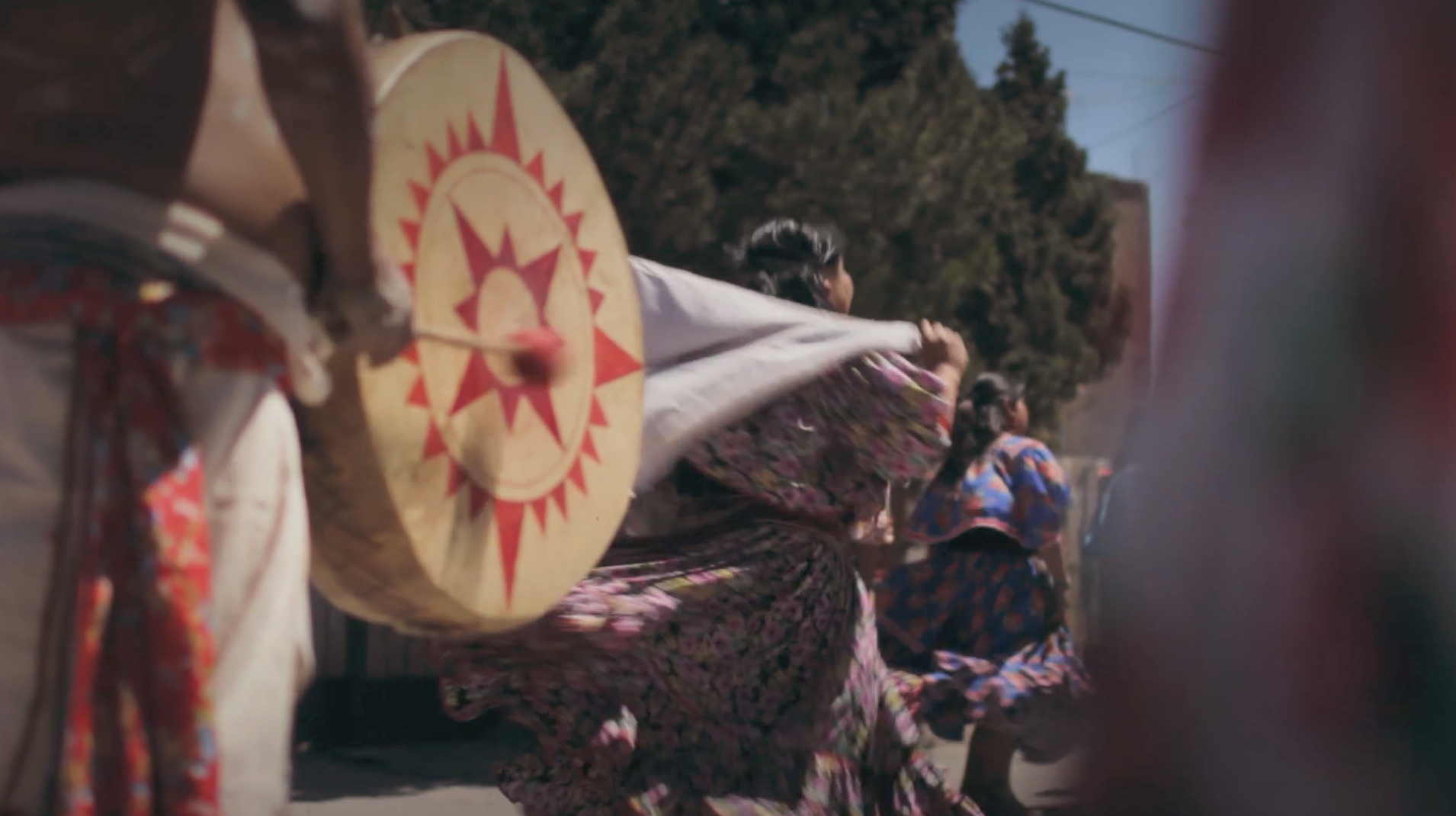
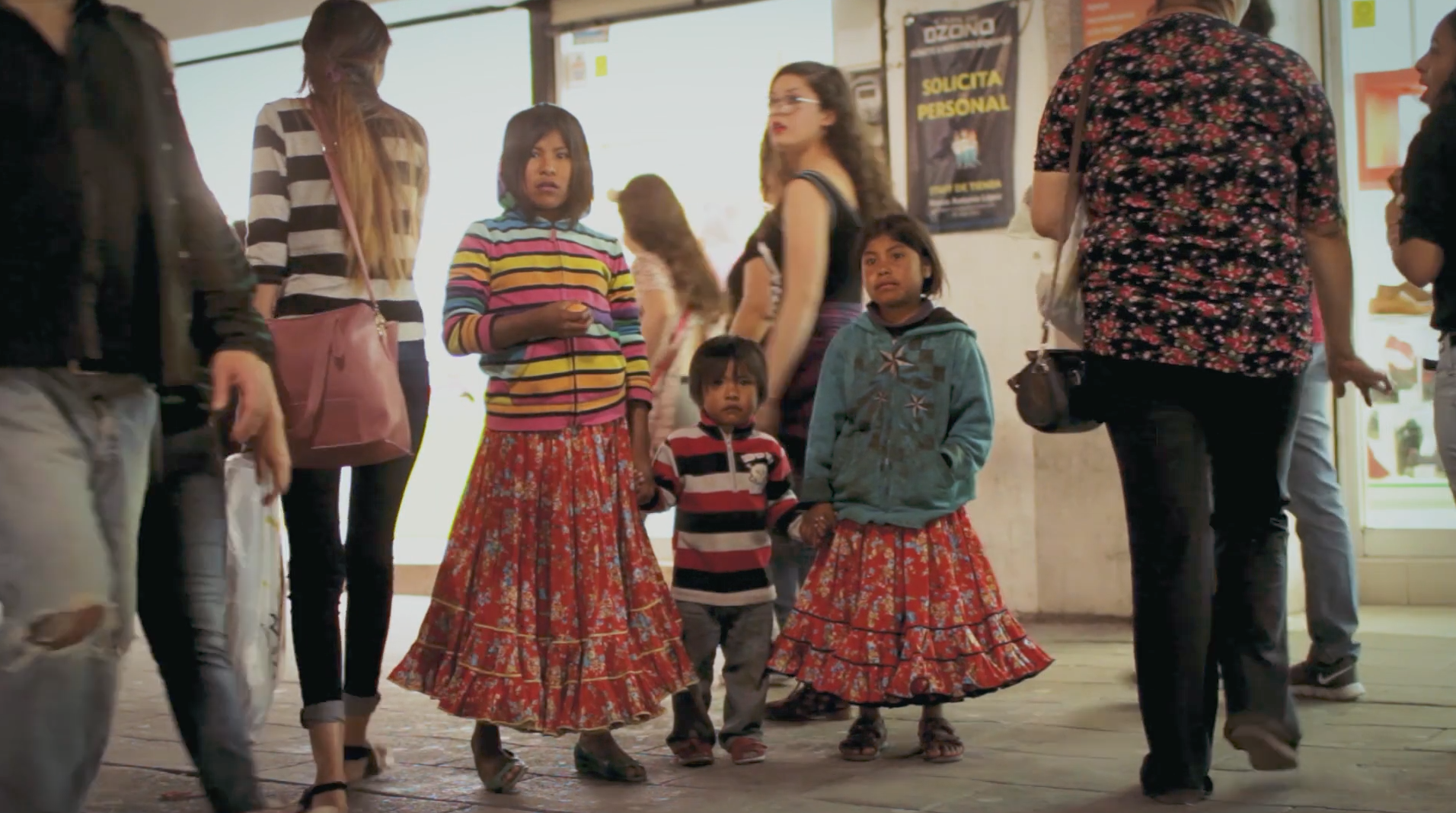
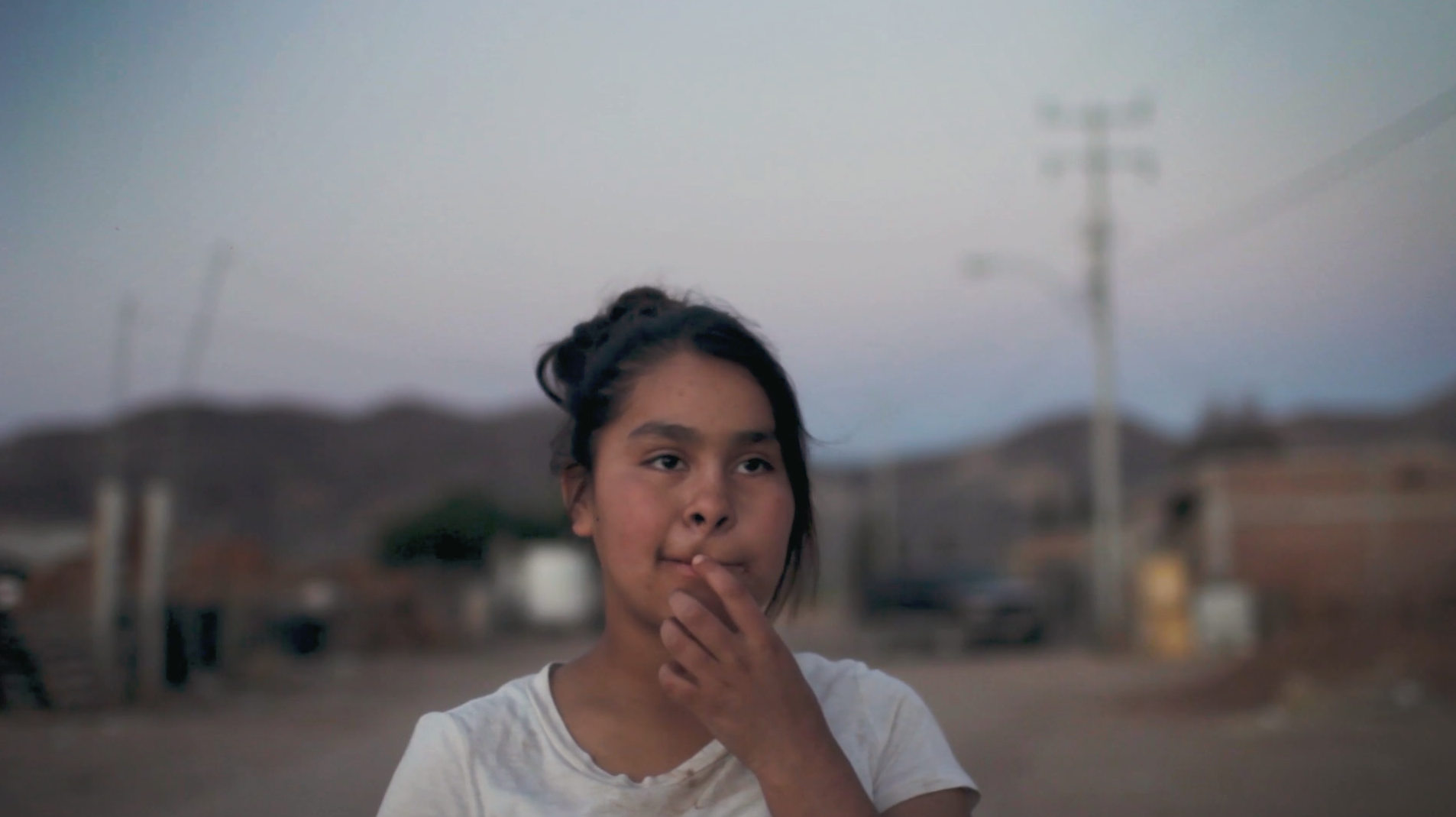
I traveled to Chihuahua to build that case on camera. I filmed inside foster homes, sat with families, staff, locals, and government officials to capture every side of it, and went into the Tarahumara communities where the need ran deepest. It was not an easy or safe environment to work in.
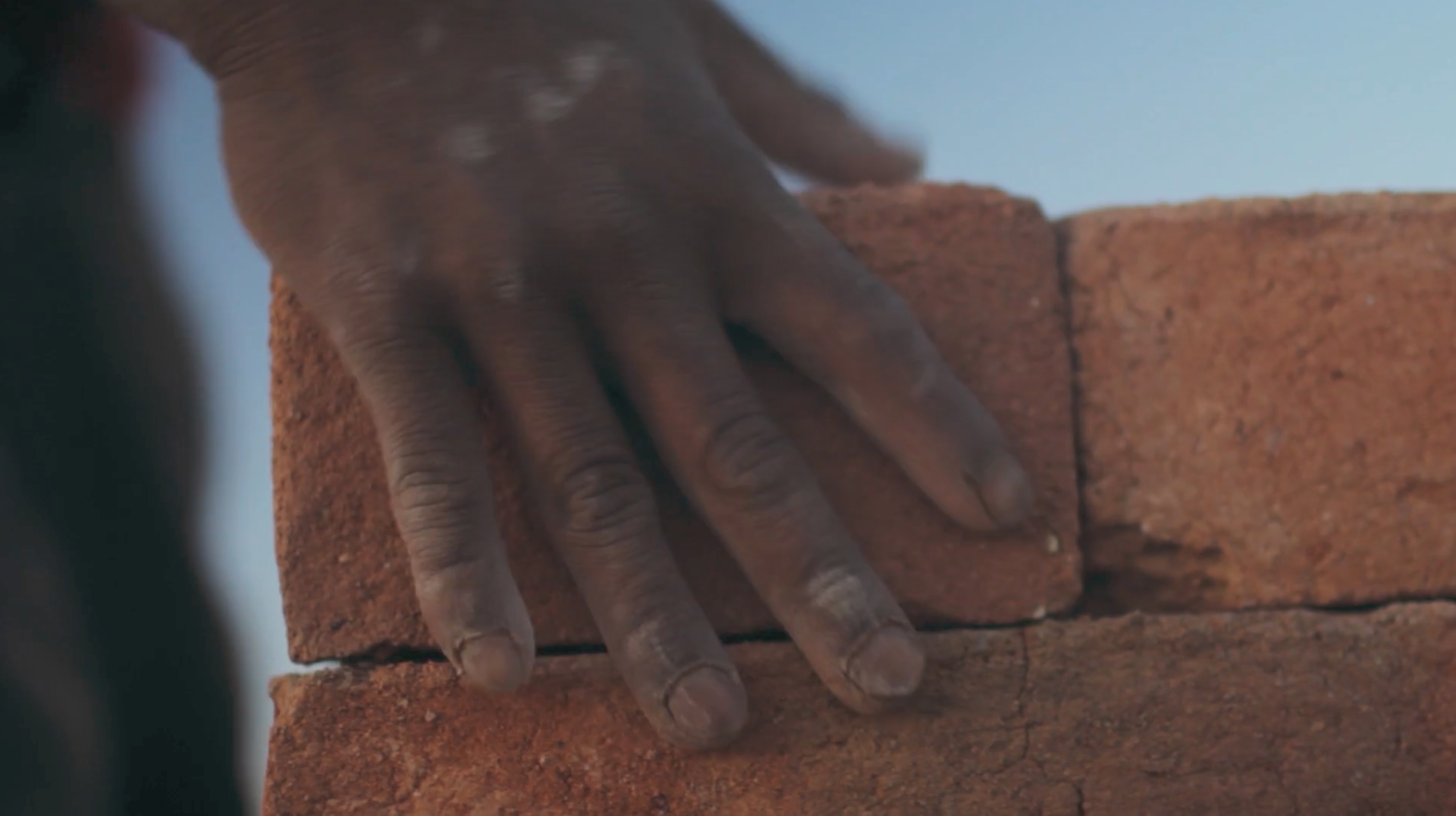
The film didn't look away from the hard parts. It showed children working in brickyards and the reality of kids in institutional care, honestly, because the point was to make the stakes impossible to ignore. Then it showed the alternative: what it looks like when a child in crisis is brought into a loving local family instead. The contrast was the argument.
The result
Chihuahua's shift to family-based care was a long fight, years of it, and this film was part of making that case to the people who had to say yes. The state moved to place children from institutions into trained local foster families, an approach that has since grown well beyond where it started. The film helped improve care for thousands of children, and it still lives on Familia LightShine's site today.