Both Ends of the Leash
A mini-documentary for the Indiana Canine Assistant Network (ICAN)
The problem
ICAN does something that sounds impossible until you see it. Inside maximum-security prisons, inmates raise and train service dogs from puppies, dogs that go on to change the lives of people with disabilities, including veterans. The work changes the people at both ends of the leash: the person who receives the dog, and the inmate who trained it.
That's a hard story to tell without it turning into a sob story or a stunt. ICAN needed a film that made people feel the truth of it, real enough to move a room of donors, honest enough to do right by the men and the dogs.
What we did
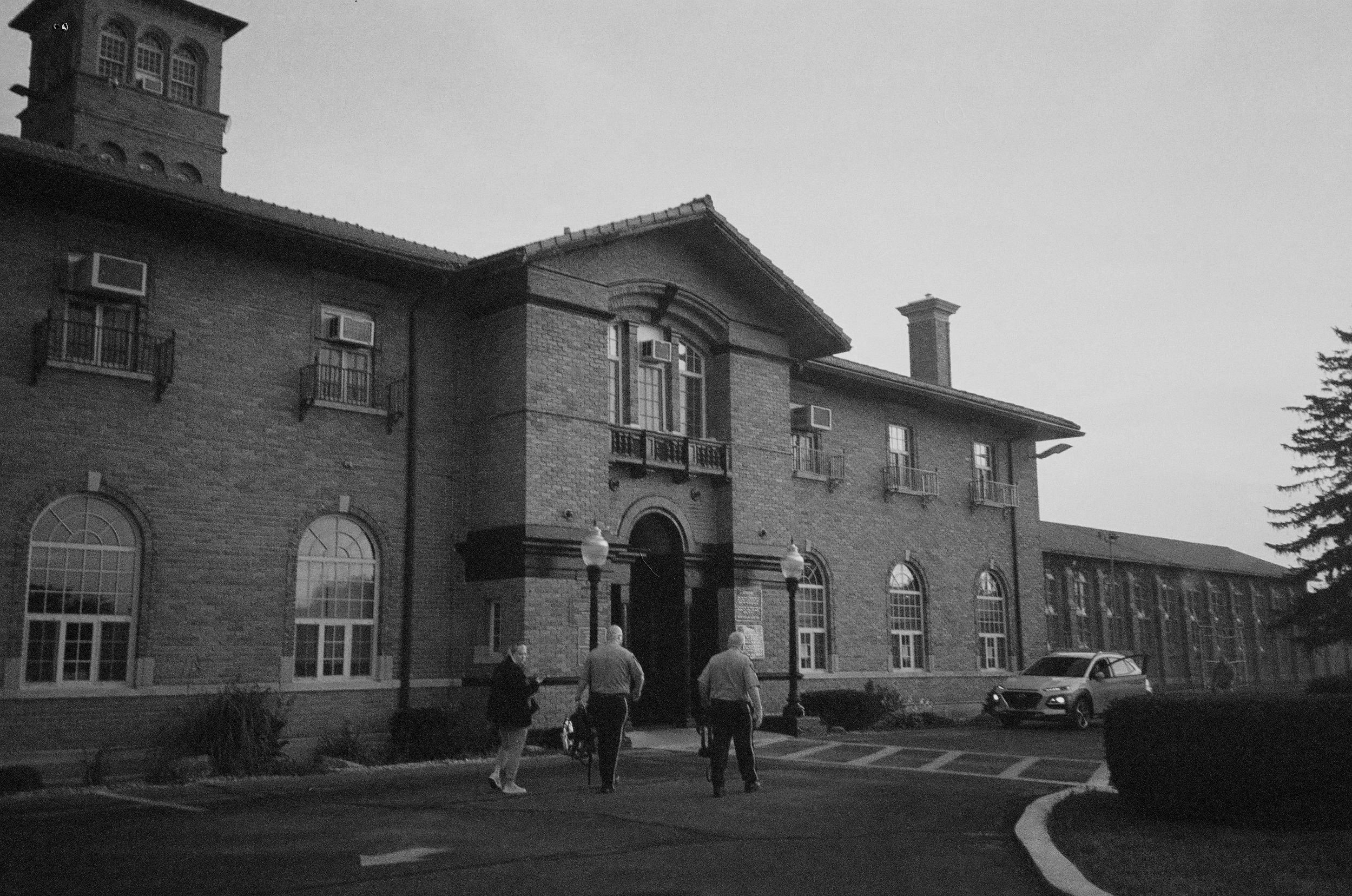
First we had to get in. Filming inside a maximum-security prison meant pre-approving every location, and every second of footage had to clear all three prisons before we could use any of it. It was not a soft environment. The place had held some of the country's most notorious inmates, and the weight of where we were never quite left the room.
Then the real work, which was restraint. We came out with six and a half hours of interviews and cut them to forty-five minutes of the strongest moments, then cut again to under six. Show, don't tell. Instead of stating that ICAN changes lives, we built the film around two men who proved it. One, who is autistic, watched his own ability to communicate and open up change through training the dogs. Another, stuck with a dog that would not stop barking, spent night after night leaning over its crate dropping treats, earning the dog's trust one hour at a time.
We edited for rhythm: room to laugh, then the moments that hit hard, placed where they'd land. The goal was for a viewer to reach one conclusion on their own, without us ever saying it. This place changes lives.
The result
The film premiered at ICAN's Wine & Wags fundraiser in Indianapolis. The night beat its goal and raised $83,000. But the number isn't really the point. The film gave ICAN a way to carry something that's almost impossible to explain to anyone who hasn't stood inside those walls.
"Having no hope is a bad feeling. Regaining that hope is like being brought back to life."
— Jeff, ICAN trainer